Source ul4200a impact test steel sphere for Testing, Compliance, Quality
Compare 30 verified options for the ul4200a impact test steel sphere used in accessibility probe testing, mechanical strength evaluation, and safety compliance. Review specifications, pricing, and delivery details to select the right equipment for your facility; compare the available evidence and request quotations based on your requirements.
Key considerations
Products List






Comprehensive Sourcing Guide
UL4200A Impact Test Steel Sphere Sourcing Guide
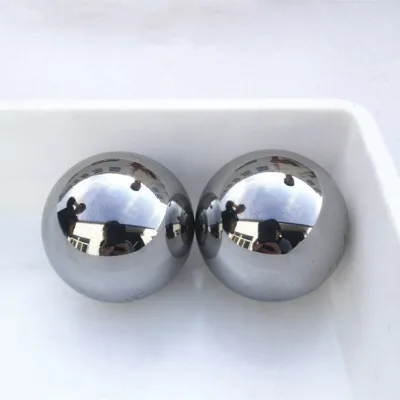
Procuring a UL4200A impact test steel sphere requires careful alignment with specific safety testing standards for electrical equipment. These spheres are critical components used to simulate finger or tool impacts during product safety evaluations. Buyers must ensure that the sphere’s material composition and dimensional accuracy meet the rigorous demands of international compliance protocols. The primary objective is to verify that the testing apparatus can reliably reproduce the conditions outlined in relevant safety standards without deviation.
Sourcing decisions should prioritize suppliers who provide certified calibration and clear documentation of the sphere’s physical properties. Since these tools are used for high-stakes compliance testing, any discrepancy in weight, diameter, or surface finish can invalidate test results. Buyers need to establish a clear understanding of the supplier’s ability to provide traceable quality assurance. This includes verifying that the steel sphere is manufactured to precise tolerances and is suitable for the specific type of impact testing required by your product’s regulatory framework.
Product Scope and Observed Listing Signals
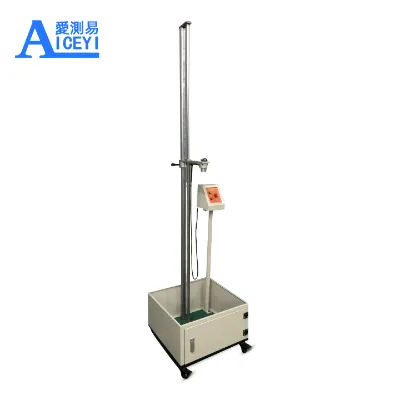
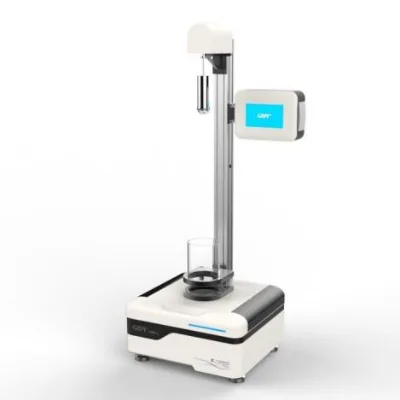
The current market landscape for impact testing equipment shows a diverse range of models, including specific identifiers like ZLT-GQ, ZLT-I05, and ZLT-DL. These models often cater to different testing methodologies, such as mechanical load or static load applications. Buyers should observe that packaging varies significantly, with options ranging from wooden cases to aluminum boxes and plywood cartons. This variation suggests that suppliers offer customized solutions based on the sensitivity of the equipment and the specific requirements of the testing environment.
Observed listing signals indicate a strong emphasis on customization and standard parts availability. Many suppliers offer non-customized standard parts alongside fully customized options, allowing buyers to choose between off-the-shelf reliability and tailored specifications. The presence of inventory status, such as items being in stock, provides a clear signal for urgent procurement needs. Additionally, the use of specific tags like "Stainless Test Sphere" helps buyers quickly identify the material composition, which is crucial for durability and resistance to corrosion during repeated impact tests.
Technical Specifications to Verify
When evaluating technical specifications, buyers must verify the weight and dimensional accuracy of the steel sphere. The supplied data indicates a weight range of 0-100kg for some units, while others may fall within the 100-500kg range, depending on the machine type. It is essential to confirm that the sphere’s mass scope aligns with the workpiece mass limits, which can be up to 900kg for certain impact testing machines. Buyers should also check the maximum diameter of the workpiece, which is often listed as less than 500mm, to ensure compatibility with your testing setup.
Control mechanisms and display types are another critical area for verification. Some units feature manual control with needle displays, while others offer digital displays for more precise readings. The power source is typically AC220V, but buyers should confirm the electrical requirements of their facility. Additionally, the loading method, whether mechanical or static, must match the testing protocol. Ensuring that the installation is direct connected and operates at room temperature helps in planning the physical setup and environmental controls required for accurate testing results.
Compliance and Safety Documentation
Compliance with international standards is non-negotiable for impact testing equipment. Buyers must verify that the supplier provides documentation confirming adherence to standards such as UL4200A, IEC62368, IEC60335, and IEC60598. These standards dictate the specific requirements for impact testing, including the use of steel balls and the methodology for assessing mechanical strength. The presence of CNAS calibration certificates is a strong indicator of a supplier’s commitment to quality and accuracy, ensuring that the test results are recognized by regulatory bodies.
Buyers should also look for references to specific test figures and clauses, such as IEC60598 Fig 21 or IEC60950 clause 4.2.5. These references provide a clear roadmap for how the equipment should be used to achieve compliance. It is crucial to ensure that the supplier can provide detailed manuals and safety guidelines that align with these standards. Without proper documentation, buyers risk non-compliance and potential legal issues, making the verification of these documents a critical step in the procurement process.
Cost Drivers and Commercial Terms
Cost drivers for impact test steel spheres include the material quality, manufacturing precision, and the level of customization required. Stainless steel construction is a common feature, offering durability and resistance to wear, which can influence the final price. Buyers should also consider the packaging costs, as specialized cases like wooden or aluminum boxes add to the overall expense. The lead time, typically ranging from 20 to 30 days, can also impact costs, especially if expedited shipping is required to meet project deadlines.
Commercial terms such as MOQ and warranty are key factors in the purchasing decision. The observed MOQ range of 1-100 units suggests flexibility for both small and large orders. A one-year warranty is commonly offered, providing assurance against manufacturing defects. Buyers should negotiate clear delivery terms, including whether freight is included or if additional shipping costs apply. Understanding these commercial terms helps in budgeting accurately and avoiding unexpected expenses during the procurement process.
Supplier Qualification and Quality Control
Supplier qualification is paramount when sourcing specialized testing equipment. Buyers should verify the supplier’s origin, with many manufacturers located in Guangzhou, Guangdong, China, a hub for industrial equipment. It is essential to assess the supplier’s track record in providing calibrated and certified products. Requesting references or case studies can provide insight into the supplier’s reliability and the performance of their equipment in real-world testing scenarios.
Quality control processes should be transparent and well-documented. Buyers should inquire about the manufacturing standards and inspection procedures used to ensure the steel sphere meets specified tolerances. The availability of standard parts and the ability to provide customized solutions indicate a robust quality management system. Additionally, suppliers who offer comprehensive after-sales support and technical assistance are preferable, as they can help troubleshoot issues and ensure the equipment remains in optimal condition over time.
Long-Term Procurement Checks
Long-term procurement checks involve establishing a relationship with a supplier who can provide consistent quality and support. Buyers should monitor the supplier’s ability to deliver on time and maintain the quality of their products over multiple orders. Regular audits of the supplier’s quality control processes can help identify any potential issues early. It is also important to stay updated on changes in international standards, ensuring that the equipment remains compliant with the latest regulations.
Maintenance and calibration services are critical for the long-term usability of impact test steel spheres. Buyers should confirm the availability of calibration services and the frequency required to maintain accuracy. Establishing a clear protocol for maintenance and repairs can extend the lifespan of the equipment and reduce downtime. By focusing on these long-term factors, buyers can ensure that their investment in impact testing equipment continues to provide reliable and compliant results for years to come.
FAQs
What standards do these impact test steel spheres meet?
These spheres meet UL4200A, IEC62368, IEC60335, and IEC60598 standards. They are designed for accessibility probe testing and mechanical strength verification. The products also comply with IEC60950 and IEC60065 requirements for safety and performance in various testing environments.
Can I customize the impact test steel sphere specifications?
Customization is available for specific requirements, though some models are non-customized. You can request tailored solutions for unique testing needs. The manufacturer offers flexible options to adapt the product to your specific application while maintaining compliance with international safety standards.
What is the delivery time for these testing machines?
Delivery typically takes 20 to 25 days for standard orders. Some specific models may require 25 to 30 days for processing and shipment. Freight shipping is arranged to ensure timely delivery to your location, with inventory availability checked for immediate dispatch when possible.
Which certifications are provided for the impact testing equipment?
CNAS calibration is provided to ensure measurement accuracy and reliability. The equipment adheres to strict international standards including UL4200A and IEC62368. These certifications verify that the testing machines meet rigorous quality and safety requirements for professional industrial and laboratory applications.
What is the minimum order quantity for these products?
The minimum order quantity is one piece or one unit depending on the specific model. This low MOQ allows buyers to test the equipment without large initial commitments. It facilitates easy procurement for small laboratories or companies needing single units for specific testing protocols.
How are these steel spheres packaged for shipping?
Packaging options include wooden cases, aluminum boxes, and plywood cartons. Each method ensures the product is protected during transit. The packaging is selected based on the specific model and shipping requirements to prevent damage and maintain the integrity of the precision testing equipment.
Where are these impact testing machines manufactured?
These machines are manufactured in Guangzhou, Guangdong, China. The production facility ensures adherence to global quality standards. Originating from this region allows for efficient logistics and access to a robust supply chain for industrial testing equipment and components.
What warranty is included with the impact testing equipment?
A one-year warranty is included with the purchase of these machines. This coverage protects against manufacturing defects and ensures operational reliability. The warranty provides peace of mind for buyers investing in critical testing infrastructure for quality control and safety compliance.